Small Bathroom Ideas: Smart & Stylish Solutions
Small bathroom ideas for smart layouts, storage, and style with expert tips.
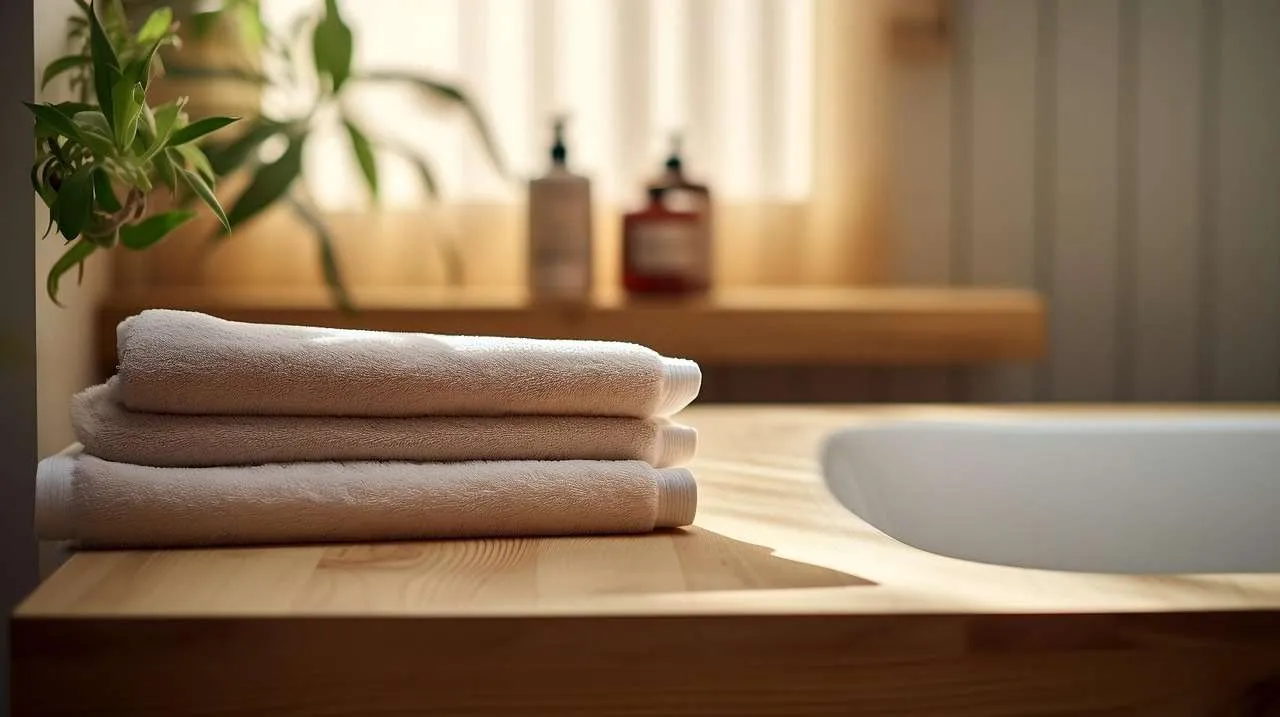
In small bathrooms, design must balance form, function, and durability. High-performing ideas come from experienced designers and real-world remodeling projects. This article draws on expertise from certified designers and tradespeople to help you maximize every inch while maintaining a calm, cohesive style. We cover layout, fixtures, storage, lighting, and finishes so you can approach a renovation with confidence and trustworthiness.
Smart layout and fixtures
Efficient layouts are the foundation of small bathroom ideas. Start with a plan that prioritizes movement and accessibility. Consider a linear layout that places the toilet, vanity, and shower in a single line to minimize wasted space. When possible, use wall-mung or compact fixtures to keep floor space open and visually expand the room.
Compact vanities
Vanities sized 24 to 28 inches wide offer essential storage without crowding the room. Look for deep drawers instead of open shelving to hide clutter while keeping daily essentials within reach. A wall-mounted or corner vanity can create the illusion of more floor area and makes cleaning easier.
Shower solutions
Shower configurations that maximize space include corner enclosures, neo-angle doors, or curbless entries. Clear glass helps the eye travel through the room, while a slim profile shower base reduces bulk. If space is extremely tight, a compact shower stall or even a suspended showerhead can keep the footprint minimal.
Toilet options
Consider a compact or wall-hung toilet to free floor space and simplify cleaning. Elongated bowls are preferred for comfort, but compact or round-front models can fit in tight cavities without sacrificing seating comfort. Install a dual-flush option to improve water efficiency over time.
Storage solutions that save space
Storage is the secret weapon in small bathroom ideas. Opt for vertical space and hidden storage that reduces visual clutter. Built-in niches in the shower, over-the-toilet cabinets, and tall, slim medicine cabinets provide practical storage without crowding the vanity area.
- Over-the-toilet storage towers with adjustable shelves
- Recessed niches in showers for toiletries
- Floating shelves above sinks for daily essentials
- Pull-out organizers in vanity drawers
Choose organizers with soft-close hardware to minimize noise and maximize durability. Use baskets and liners to keep items tidy and accessible when you need them.
Lighting, color, and finishes
Lighting dramatically affects how large a small bathroom feels. Combine ambient, task, and accent lighting to eliminate shadows and create depth. Recessed lights with a dimmer, a vanity light, and a moisture-rated accent light over the shower can dramatically improve functionality and mood. Light colors and reflective surfaces widen the sense of space, while durable finishes guard against moisture and daily wear.
Popular finishes include matte nickel, brushed brass, and brushed stainless steel. Choose moisture-resistant materials for vanities, countertops, and tile to guarantee long-lasting performance in humid environments.
Materials, durability, and maintenance
Durability matters more in small spaces because frequent cleaning is essential. Select porcelain or ceramic tiles with a low porosity rating for floors and walls. For countertops and vanity tops, quartz or solid surface materials resist staining and scratches. Use grout sealers and epoxy grouts in wet zones to prevent staining and mildew growth while keeping maintenance simple.
Budget, planning, and expert tips
Smart small bathroom ideas begin with a realistic budget and phased plan. Get two or three quotes from licensed professionals and verify their references. Create a prioritized list of must-haves (for example, a compact vanity and a curbless shower) and nice-to-haves (like a heated towel rack). Investing in product warranties and hiring licensed tradespeople improves long-term performance and safety, aligning with EEAT principles by prioritizing expertise, authority, and trust.
When choosing materials, balance initial cost with longevity. For a high-end look without overspending, mix durable essentials (tile, fixtures) with cost-effective accents (lighting, accessories). Consider resale value and accessibility needs to guide your choices for a space that remains functional for years.
Comparison and quick guide
| Option | Size/Range | Pros | Cons | Best For |
|---|---|---|---|---|
| Compact vanity | 24–28 in wide | Maximizes storage without crowding | Smaller sink area | Powder rooms, en-suites |
| Wall-hung toilet | Compact footprint | More floor space, easier cleaning | Installation complexity | Smaller baths, modern look |
| Corner shower | Space-saving | Visual openness, easy access | May feel tight for some users | Shower-focused layouts |
| Pocket door | Door slides into wall | Removes swing clearance needed | Higher installation cost | Very narrow baths |
These options help balance usability with aesthetics, ensuring your small bathroom feels open while remaining highly functional. Always consult a licensed contractor or interior designer to verify code compliance and installation feasibility for your space.
Conclusion, the best results in small bathrooms come from combining a thoughtful layout, compact yet capable fixtures, clever storage, and durable finishes. By applying these small bathroom ideas and aligning them with professional guidance, you can create a space that feels larger, operates smoothly, and stays beautiful for years to come.
Summary: This guide outlines practical layout strategies, fixture choices, smart storage, and durable finishes to transform a compact bathroom. With expert planning, careful material selection, and a clear budget, you achieve a stylish, efficient space that lasts.