Home Window Tinting: Energy, Privacy, Comfort
Explore home window tinting benefits, types, costs, and tips.
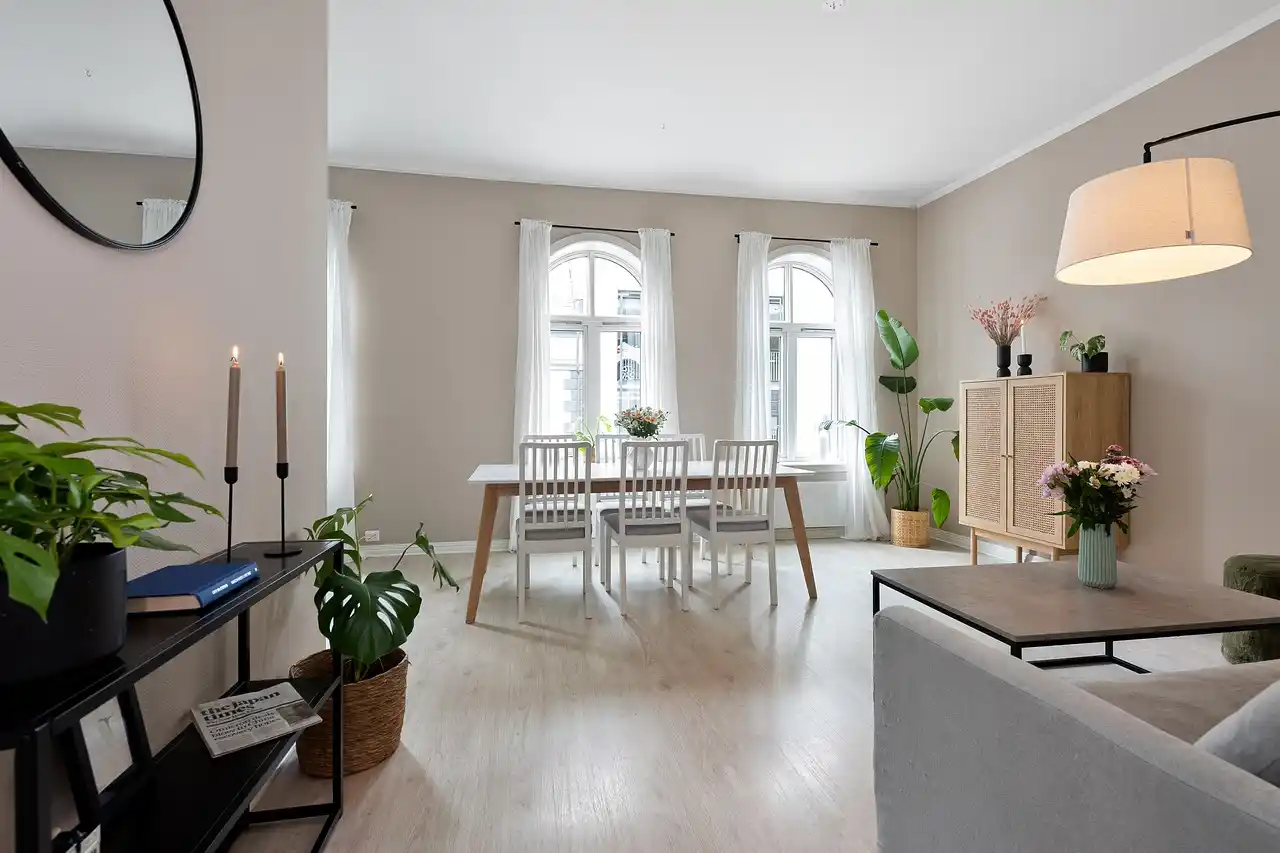
Home window tinting refers to applying a window film to residential glass to reduce heat, glare, and sun damage while enhancing privacy and comfort. Modern films are designed to be clear enough for daily viewing yet effective at blocking infrared heat and UV rays. Professionally installed films tend to offer better adhesion, warranty coverage, and longer lifespan than DIY applications. This guide covers what to know before tinting your home windows, including benefits, film types, selection tips, costs, and maintenance to align with EEAT standards.
Benefits of home window tinting
- Energy savings: By reducing solar heat gain, tinted windows can lower cooling loads in hot months.
- UV protection: Most films block up to 99% of ultraviolet rays, protecting furnishings and skin.
- Improved comfort: Glare reduction and more even interior temperatures.
- Privacy and aesthetics: Tints provide daytime privacy and can enhance curb appeal, especially for ground-floor rooms.
- Safety and durability: Some films hold shattered glass together and resist scratches.
Types of window films
Dyed films
Dyed films are budget-friendly and provide good appearance, but they can fade over time and may offer less UV protection than other options.
Metalized films
Metalized films reject heat by reflecting it with metallic particles, increasing glare. They can interfere with electronics and may show a mirrored look from the outside.
Ceramic films
Ceramic films offer excellent heat rejection, high clarity, and strong UV protection without metal interference. They are typically higher in cost but durable and long-lasting.
Carbon films
Carbon films provide a matte finish, strong heat rejection, and excellent glare control without reflection. They are mid-to-high in price but durable and non-conductive.
Choosing the right tint level
Tint level is often described by visible light transmission (VLT). For residential spaces, a VLT in the 40–60% range balances daylight and heat control while preserving view. In sunnier rooms, you may prefer 25–40% for stronger glare reduction, while shaded interiors can opt for higher VLT. Local regulations or HOA rules may specify acceptable ranges, so check before installation.
Costs and ROI
Prices vary by film type, window size, and labor. On average, residential window tinting can range from $5 to $12 per square foot installed. Larger homes or premium films (ceramic or carbon) push toward the higher end. ROI comes from energy savings, reduced need for cooling, lower furniture fading, and potentially increased property value. A professional estimate will consider window area, glass type, and climate.
Installation: DIY vs professional
DIY tinting is possible for skilled homeowners, but it requires careful surface prep, precise alignment, and tools to avoid bubbles and creases. Professional installation provides a tighter seal, warranty, and better long-term performance, often with heat- and UV-rejection tests. If you rent, check lease terms; if you own, obtain at least two quotes and verify licenses and warranties.
Maintenance and care
Proper cleaning preserves clarity. Wait for the film to cure (usually 1–2 weeks), use a soft microfiber cloth, and avoid ammonia-based cleaners that can degrade the film. Routine dusting and gentle cleaning extend life and maintain appearance.
Regulations and safety considerations
Some jurisdictions restrict tint darkness on street-facing windows for safety and visibility. HOA covenants may also impose rules. For multi-pane or tempered glass, ensure film is compatible with the glass type and that installation complies with safety standards. Consider safety films if you have children or live in earthquake-prone areas, as some films hold glass fragments together.
Comparison of common film types
| Film Type | UV Rejection | Glare Reduction | Privacy | Cost | Durability | Maintenance |
|---|---|---|---|---|---|---|
| Dyed | Moderate | Low to Moderate | Low to Moderate | Low | Moderate | Low |
| Metalized | High | High glare | Moderate | Moderate | High | Low to Moderate |
| Ceramic | Excellent | Excellent | High | High | Very Durable | Low |
| Carbon | Excellent | Excellent | High | Medium-High | High | Low |
Conclusion
Choosing the right window film involves balancing cost, performance, and aesthetics. For most homes, ceramic or carbon films offer top heat rejection and clarity with long-term durability, while dyed and metalized options suit tighter budgets or specific needs. Always verify local regulations, select a reputable installer, and ensure a valid warranty. With proper installation and care, home window tinting can deliver energy savings, UV protection, privacy, and enhanced comfort for years to come.
Summary: Home window tinting improves energy efficiency, protects interiors from UV damage, and boosts comfort and privacy. By selecting appropriate film types, considering regulations, and using professional installation when needed, homeowners can maximize ROI and enjoy longer-lasting results. Regular maintenance and mindful choice of film type tailor the outcome to climate, view, and budget.